Hi Vis Clothing Guide: Essential Tips for Maximum Safety
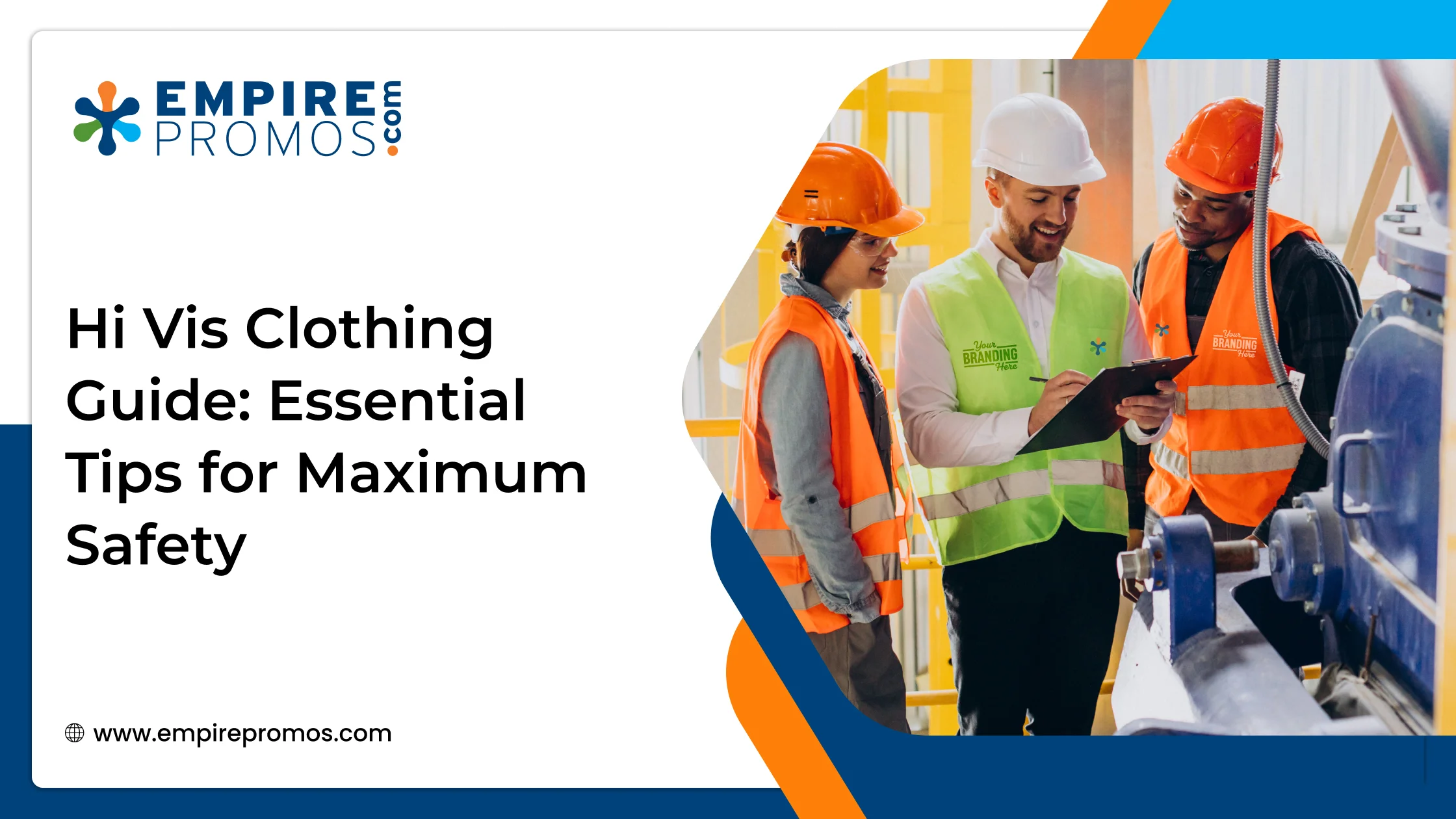
High visibility, or hi vis, clothing is essential for ensuring safety in many work environments. It’s designed to make workers more visible, especially in low-light conditions, by using bright colors and reflective materials. Hi vis clothing reduces the risk of accidents by making sure you’re seen by motorists and equipment operators.
There are different classes of hi vis clothing, each meant for specific levels of risk. For example, Class 3 garments provide the highest level of visibility with full coverage and ample reflective material. Wearing Class 3 vests or jackets protects those in high-risk jobs, such as road construction or heavy machinery operation, by meeting strict safety standards.
Proper care of your hi vis clothing is also crucial. Regular washing and maintenance help retain its safety features. Check specific guidelines to ensure your gear lasts longer and continues to perform its function, keeping you safe on the job.
Understanding Hi Vis Clothing
Hi Vis clothing is essential for ensuring safety in various work environments. It involves clothing designed to improve visibility and prevent accidents by using bright colors and reflective materials.
History and Evolution
Hi Vis clothing has come a long way since its inception. Initially, it was used mainly in construction and road work. The main idea was to make workers more visible to passing traffic.
In the 1960s, fluorescent dyes were introduced, making the gear even more effective. Over time, reflective materials were added. These improvements have made Hi Vis clothing a staple in various industries, including emergency services and transportation.
Principles of Visibility
Visibility is the cornerstone of Hi Vis clothing. The clothing uses bright, fluorescent colors like yellow and orange. These colors stand out in most environments, even in low light.
Reflective materials are also crucial. They bounce light back to its source, making the wearer more visible at night. Together, these features dramatically reduce the risk of accidents.
Categories of Hi Vis Clothing
Hi Vis clothing comes in different classes based on the level of visibility and protection.
- Class 1: Minimal coverage, usually for low-risk areas.
- Class 2: Medium coverage, ideal for moderately risky environments.
- Class 3: Maximum coverage, for high-risk situations.
Each class has specific requirements for the amount of fluorescent and reflective material. Ensuring the right class for your work environment is essential for safety.
Standards and Regulations

When it comes to high visibility (hi-vis) clothing, understanding the standards and regulations is crucial for ensuring safety in the workplace. OSHA Guidelines and EN ISO 20471 are two key standards to be aware of, and different classifications specify the level of visibility required for various jobs.
OSHA Guidelines
The Occupational Safety and Health Administration (OSHA) sets specific guidelines for hi-vis clothing to keep workers safe. OSHA mandates that high visibility garments must be either yellow-green, orange, or a combination.
Garments are divided into classes based on the minimum amount of background and reflective material:
- Class 1: Minimum of 217 square inches of background material and 155 square inches of reflective material.
- Class 2: Minimum of 755 square inches of background material and 201 square inches of reflective material.
- Class 3: Minimum of 1,240 square inches of background material and 310 square inches of reflective material.
These guidelines ensure that workers are visible to motorists and equipment operators, reducing the risk of accidents.
EN ISO 20471 Standard
EN ISO 20471 is the European standard for hi-vis clothing. This standard requires full body coverage with high-visibility material and reflective strips. It ensures that workers are visible from all angles, in all lighting conditions.
Key requirements include:
- Garments must cover the torso and either have full-length sleeves or trousers.
- Background material must be fluorescent and provide a high level of visibility in daylight.
- Reflective material must be placed around the torso, arms, and legs, ensuring visibility in low light and nighttime conditions.
Unlike OSHA, EN ISO 20471 is more strict about the design and placement of the materials, ensuring maximum visibility.
Classifications Explained
Hi-vis clothing is classified into three main classes based on the level of visibility required:
- Class 1: Suitable for workers in low-risk areas, such as parking attendants or warehouse workers.
- Class 2: Required for higher-risk environments like road construction where workers are exposed to traffic traveling under 50 mph.
- Class 3: Provides the highest level of visibility. Necessary for workers in high-risk areas, such as emergency responders or highway construction workers.
Requirements Table
| Class | Background Material (sq. in.) | Reflective Material (sq. in.) |
| 1 | 217 | 155 |
| 2 | 755 | 201 |
| 3 | 1,240 | 310 |
Each class defines the minimum requirement for background and reflective materials to ensure that workers remain highly visible, thereby enhancing safety through better compliance with these standards.
Selection and Usage
When selecting high-visibility clothing, you need to consider the class, color, and material to ensure the safety and comfort of workers.
Choosing the Right Class
High-visibility clothing is categorized into three classes based on safety standards. Class 1 is for low-risk environments like parking lots where speeds do not exceed 25 mph. Class 2 is used for areas where higher visibility is needed, like construction sites and road work. Class 3 offers the highest level of visibility for high-risk jobs, requiring full arm and leg coverage. Choosing the right class ensures adequate protection and reduces the risk of accidents.
Color Considerations
Bright colors like yellow and orange are essential in high-visibility gear. These colors help workers stand out in various environments. Yellow is often preferred for its visibility in different lighting conditions, while orange is commonly used in construction zones. Reflective strips are also crucial for low-light conditions. The color you choose depends on the job requirements and environmental factors to maximize worker safety.
Material and Comfort
The materials used in hi-vis clothing directly affect comfort and durability. Many high-visibility garments are made from lightweight, breathable fabrics for all-day wear. Some materials offer moisture-wicking properties to keep workers dry. Fit is also an important factor. Loose clothing can be hazardous, whereas a snug fit ensures freedom of movement without compromising safety. Always check that the materials are durable enough to withstand the job demands but still provide comfort and ease of use.
Safety Benefits

Wearing hi-vis clothing helps prevent accidents, enhances visibility in various conditions, and offers protective features beyond just being seen.
Preventing Accidents
Hi-vis clothing is crucial for preventing accidents. Workers in areas with heavy machinery, traffic, or low-light conditions are at higher risk. Bright, neon colors like yellow and orange, along with reflective strips, make workers more visible to drivers and equipment operators. This reduces collisions and improves overall safety.
For instance, road construction workers often face busy traffic and need high visibility. When drivers see them from a distance, it reduces the chance of accidents. Similarly, warehouse workers need to be visible to forklift operators to avoid accidents.
Enhanced Visibility for Different Conditions
Enhanced visibility is critical for worker safety, especially in night or low-light conditions. Hi-vis clothing often features reflective materials that catch light from headlights or other sources, making the wearer easily noticeable.
High visibility clothing isn’t just for the night. In foggy or rainy weather, bright colors stand out more than regular clothing. This makes it easier for others to see you, reducing the risk of accidents.
Protective Features Beyond Visibility
Besides visibility, high visibility clothing offers protective features. Some hi-vis gear is flame-resistant, providing extra protection in hazardous environments. This ensures safety in case of fire hazards.
Additionally, hi-vis clothing often includes materials that shield you from harmful substances. Whether working around chemicals or potential fire hazards, these extra features add another layer of protection. This way, workers are not just seen, but also safe from potential on-site dangers.
Special Considerations
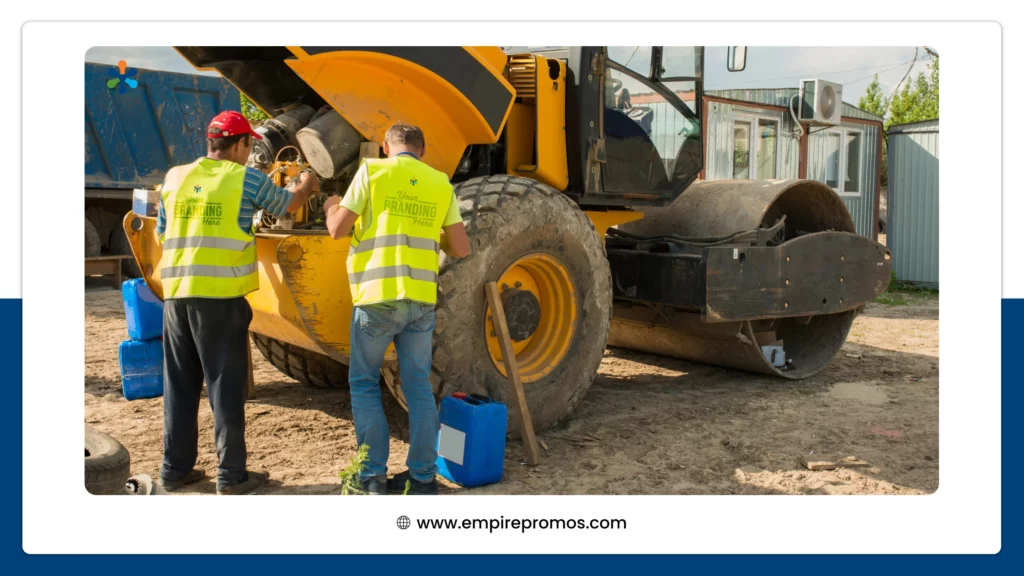
When choosing hi-vis clothing, several important factors come into play that can impact safety, visibility, and functionality. Here are specific areas you need to focus on.
Weather and Environmental Factors
Your choice of hi-vis workwear should be suitable for the weather and the environment in which you’ll be working. For wet conditions, opt for waterproof yet breathable materials like GORE-TEX or coated nylon to keep you dry and mobile.
In cold climates, consider insulated hi-vis jackets and pants to maintain body heat. In contrast, for hot weather, lightweight and breathable fabrics will help you stay cool. Keep in mind that reflective tape needs to remain effective in all conditions, so check if the clothing offers enhanced visibility in rain, fog, and low-light scenarios.
Industry-Specific Requirements
Different jobs have unique safety and visibility needs. Always check if the hi-vis clothing meets the specific standards and requirements of your industry. For example, construction workers often need Class 3 high-visibility garments, which provide the highest level of coverage with at least 1,240 square inches of background material.
Warehouse workers may have different PPE standards requiring less coverage but still ensuring high visibility. Emergency responders need quick access to protective gear, so consider workwear that allows for easy layering and removal. Understanding these requirements will help you select the right gear for maximum safety.
Enhancements and Accessories
Hi-vis clothing can come with various enhancements and accessories to improve functionality. Some garments feature ‘black bottoms’ to hide dirt and maintain a clean appearance. You might also find clothing with added pockets for tools and personal items, which can enhance productivity on the job.
Reflective tape should be strategically placed to ensure constant visibility from all angles. Some hi-vis gear comes with detachable hoods, liner options, or compatibility with hard hats. Assess the additional features your job requires to ensure that your workwear meets all your practical needs while providing top-notch visibility and safety.
Maintenance and Care
Proper maintenance of hi-vis clothing is essential to ensure it remains effective and durable. This includes following specific cleaning instructions and understanding how to maintain its longevity.
Cleaning Instructions
Washing hi-vis clothing correctly is important to preserve its safety features. Always use cold water to prevent the reflective materials from peeling or cracking.
Steps for cleaning:
- Pre-treat stains: Use a mild stain remover. Avoid harsh chemicals.
- Use gentle detergents: Choose ones with low alkaline content to protect colors and reflective properties.
- Avoid bleach and fabric softeners: These can damage the fabric and reflective materials.
- Spot cleaning: For minor stains, use a wet sponge or cloth with mild detergent instead of frequent full washes.
Frequency: Wash hi-vis clothing once every two weeks to balance cleanliness and material preservation.
Durability and Lifespan
Maintaining the durability of your hi-vis clothing ensures safety and longevity. Proper care, including washing practices and handling, plays a key role in extending its lifespan.
- Refrain from frequent washes: Every wash slightly reduces the reflectiveness. Clean only when necessary.
- Check the care label: Follow specific instructions provided by manufacturers.
- Handle with care: Avoid rough handling that could cause tears or damage to reflective tape.
- Store properly: Keep hi-vis clothing in a cool, dry place away from direct sunlight to prevent color fading and material degradation.
By following these care tips, you ensure that your hi-vis clothing remains effective and durable for as long as possible.
Legal and Compliance Issues
High-visibility (hi-vis) clothing plays a crucial role in worker safety, particularly in environments where visibility can save lives. Compliance with legal and safety standards is essential for employers to ensure a safe workplace and avoid significant penalties.
Employer Responsibilities
Employers must comply with regulations set by the Occupational Safety and Health Administration (OSHA) and the American National Standards Institute (ANSI). OSHA requires that hi-vis clothing be worn by workers in certain environments, such as construction sites or roadways. These garments need to be yellow-green, orange, or a combination thereof.
The ANSI 107 standard outlines further requirements for hi-vis apparel. Depending on job hazards, this includes ensuring workers wear Class 1, 2, or 3 garments, classified based on their visibility and reflective materials. Class 3 garments provide the highest level of visibility and are essential in high-risk areas.
Employers also need to maintain these garments, ensuring they are clean and in good condition. Damaged or dirty hi-vis clothing can be less effective, compromising worker safety.
Penalties for Non-Compliance
Failing to comply with OSHA’s safety standards can lead to severe penalties. OSHA conducts random inspections and responds to worker complaints. If non-compliance is found, fines can range from hundreds to thousands of dollars, depending on the severity and frequency of the violations.
Repeat offenders face even higher penalties, and serious violations can result in criminal charges. Employers must ensure they stay updated on the latest regulations and maintain proper safety protocols to mitigate these risks.
In extreme cases, non-compliance may also result in legal action from injured employees. Therefore, the cost of non-compliance goes beyond fines and can significantly impact the business’s reputation and finances.
Workers’ Rights and Education
Workers have the right to a safe working environment, which includes the provision of appropriate hi-vis clothing. Employees should receive adequate training on the importance of wearing these garments and how to properly maintain them.
Training programs should cover different types of hi-vis clothing and when each type is required. Workers should understand that proper use of hi-vis clothing is a critical part of their safety on the job.
Employers must also make sure that workers can easily report damaged or inadequate hi-vis clothing and replace it promptly. Proper education and easy reporting mechanisms ensure that workers remain safe and compliant with safety standards.
In Practice
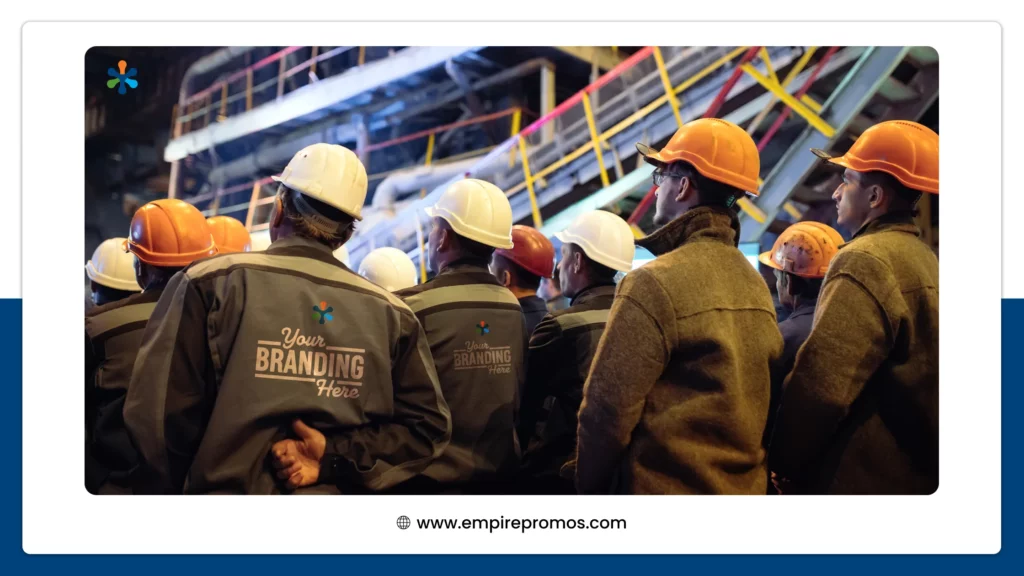
Hi-vis clothing is vital for safety in many industries. It serves to make workers visible in low-light conditions, reducing the risk of accidents and saving lives in varied environments.
Real-World Applications
Construction Sites: Hi-vis apparel is essential on construction sites. Workers often operate near heavy machinery and moving vehicles, making visibility crucial for safety. Wearing bright colors and reflective strips helps ensure that equipment operators see workers from a distance.
Roadwork: For road workers, being seen by oncoming traffic is critical. Hi-vis clothing, especially in bright neon colors like yellow and orange with reflective stripes, is required to prevent accidents and injuries.
Emergency Responders: Police, firefighters, and paramedics use hi-vis gear to be easily identified at accident scenes. High-visibility jackets and vests make sure they are seen by both motorists and colleagues, promoting a safer working environment.
Case Studies
Construction Site Safety: A study highlighted that construction sites with mandatory hi-vis gear saw a 30% reduction in worker injuries. The reflective bands and bright colors made workers more noticeable, leading to fewer incidents involving machinery.
Roadwork Accident Reduction: Data from highway departments indicate that proper hi-vis gear for road workers reduced accidents by 25%. Increased visibility at nighttime or in poor weather conditions played a significant part in these improvements, proving the necessity of high-visibility clothing.
Emergency Response Efficiency: Emergency responders equipped with hi-vis clothing were found to have quicker response times. For example, firefighters wearing hi-vis gear were more easily spotted through smoke, enabling faster coordination and rescue operations.
Future Trends in High Visibility Workwear
Technological Enhancements: Advancements like LED-embedded hi-vis clothing and smart fabrics are emerging. These new designs offer improved visibility and even alerts for workers in hazardous conditions.
Environmental Considerations: Eco-friendly hi-vis gear made from recycled materials is gaining popularity. Manufacturers are seeking ways to balance safety with sustainability, appealing to environmentally-conscious companies.
Customization and Comfort: Future hi-vis workwear is likely to focus on tailoring gear to specific job needs while enhancing comfort. Breathable materials and ergonomic designs will ensure that workers can perform tasks efficiently without compromising safety.
Looking for reliable hi vis clothing that meets safety standards without sacrificing comfort or durability?
The right high-visibility gear plays a critical role in preventing accidents and protecting workers in demanding environments. From compliant vests and jackets to job-specific workwear, choosing the right gear makes a measurable difference. Empire Promos offers high-quality, customizable hi vis apparel made for visibility, compliance, and everyday wear. Explore safety-focused workwear solutions that support protection, performance, and brand consistency.
Frequently Asked Questions
High-visibility (hi-vis) clothing is essential for improving worker safety in environments with low visibility. Below, you’ll find answers to some common questions about hi-vis clothing, including classifications, regulations, and best use scenarios.
What are the different classes of high-visibility clothing and their specific use-cases?
High-visibility clothing is categorized into three classes:
- Class 1: For low-risk environments, typically used by workers in parking lots or warehouse settings.
- Class 2: Provides more visibility and is worn by road crews and airport ground workers.
- Class 3: Offers the highest level of visibility for high-risk areas, often used by highway workers and emergency responders.
How does OSHA define high-visibility colors for workplace safety?
OSHA defines high-visibility colors as those that are bright and easily noticeable to ensure worker safety. The primary colors are fluorescent yellow-green, fluorescent orange-red, and fluorescent red. These colors help workers stand out against any background.
What are the minimum requirements for Class 2 high-visibility clothing?
Class 2 high-visibility clothing must have at least 775 square inches of background material and 201 square inches of reflective material. The garment should cover the torso and can include options like vests, shirts, and jackets.
Which high-visibility colors are considered acceptable according to ANSI standards?
According to ANSI standards, acceptable high-visibility colors include fluorescent yellow-green, fluorescent orange-red, and fluorescent red. These colors are designed to stand out in various work environments and lighting conditions.
What distinguishes Class 3 high-visibility clothing from other classes?
Class 3 high-visibility clothing provides the highest level of visibility. It mandates a minimum of 1240 square inches of background material and 310 square inches of reflective material. These garments typically include full-coverage items like jackets and coveralls, offering more visibility from a distance.
What factors should be considered when selecting high-visibility clothing for different work environments?
When selecting high-visibility clothing, consider the lighting conditions, weather, and specific job tasks. Insulated jackets are suitable for cold environments, while lightweight vests are better for warmer conditions. Ensure the clothing meets the required ANSI class for your work environment.